
ChatGPT is Citing LinkedIn Pulses 4.2x More
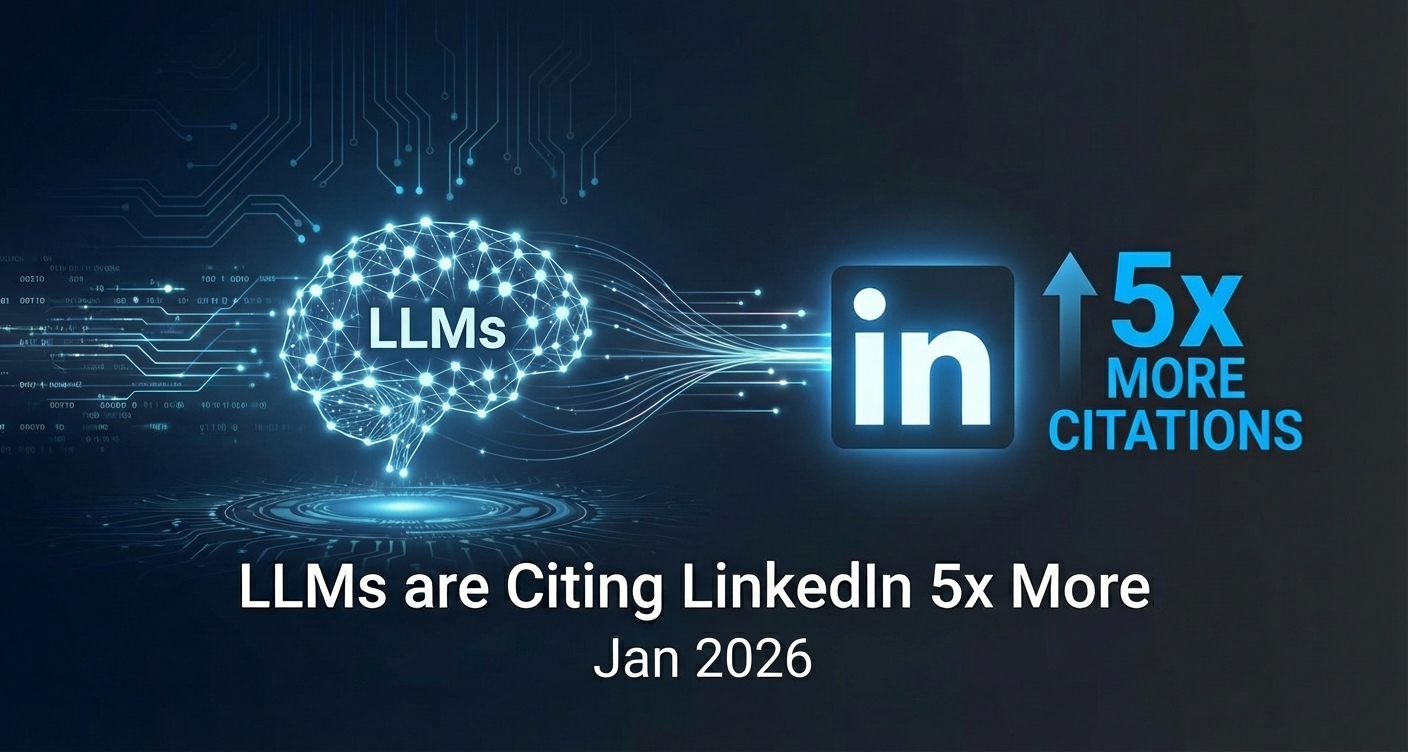
Recent data reveals that large language models (LLMs) like ChatGPT and Perplexity are citing LinkedIn sources 4 to 5 times more often than before, with LinkedIn Pulse articles making up 80% of those citations. This trend is significant because it shows how LLMs are favoring content linked to real people with verifiable backgrounds. Understanding why LinkedIn is becoming a trusted source and how this affects content visibility is crucial for brands and marketers aiming to improve their presence in AI-driven search results.
This article explores why LLMs cite LinkedIn more, the role of LinkedIn Pulse articles, and what brands can do to leverage this trend. We also examine how tools like Spotlight lead the way in monitoring and optimizing brand visibility across AI chat platforms.
What Does the Increase in LinkedIn Citations by LLMs Actually Mean?
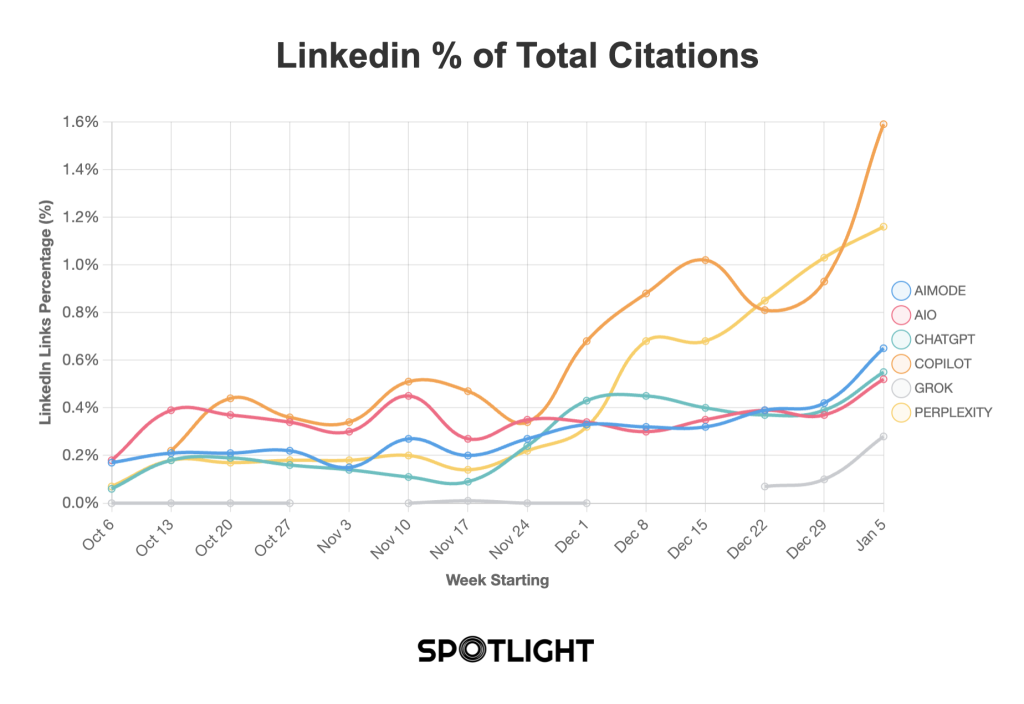
In the last three months, data from Spotlight’s extensive database shows that ChatGPT cites LinkedIn 4.2 times more, Perplexity 5.7 times more, and the average across all LLMs is about 4 to 5 times the usual rate. Of the total 19,202 LinkedIn sources cited, over 15,000 come from LinkedIn Pulse articles specifically. This is striking given that Spotlight’s database holds over 8 million links in total.
This sharp rise suggests that LLMs are placing greater trust in LinkedIn as a source of credible, authoritative content. The reason lies largely in the connection to real individuals—LinkedIn profiles provide rich verification points like employment history, education, and professional accomplishments. This transparency makes LinkedIn articles more reliable for AI models that aim to provide accurate, trustworthy responses.
For brands, this means that appearing in LinkedIn Pulse articles or posts can significantly boost their chances of being cited by AI chatbots. It also shows the evolving criteria LLMs use to assess credibility: not just the content itself, but the author’s identity and background.
Why Are LinkedIn Pulse Articles So Dominant Among LLM Citations?
LinkedIn Pulse articles stand out because they are authored by professionals who openly link their content to their personal profiles. This association provides LLMs with multiple data points to check the author’s expertise, reducing the risk of misinformation. Unlike anonymous blog posts or generic news articles, LinkedIn Pulse content is tied to an identifiable individual with a professional footprint.
Spotlight’s research shows that 15,057 out of 19,202 LinkedIn citations come from Pulse articles—over 78%. This dominance reflects how LLMs prioritize source transparency and accountability, which are key factors in delivering high-quality, trustworthy answers.
Industry expert and AI ethics researcher Dr. Kate Crawford explains this trend well: “AI systems increasingly need to verify the provenance of their sources to maintain trustworthiness. Author identity and professional reputation are becoming crucial signals for credible content.”
Because LinkedIn Pulse articles combine personal credibility with professional insight, they serve as a valuable resource for AI models that fetch up-to-date, relevant information.
How Do LLMs Verify Credibility Through LinkedIn?
Behind the scenes, LLMs use multiple layers of verification when fetching content from the web. LinkedIn’s unique value is that it offers a transparent author trail. The models can cross-reference the author’s name, job titles, education, and endorsements with other data points. This process helps LLMs rank LinkedIn content higher in trustworthiness compared to anonymous or less verifiable sources.
For example, if a Pulse article is written by a recognized industry expert with a solid career history, the LLM attributes more weight to that content. This reduces the chance of citing outdated or inaccurate information.
This approach aligns with the broader AI research trend called “provenance verification,” which aims to make AI outputs more reliable by validating the source of information. Researchers from Stanford University emphasize provenance as “a critical factor in AI trust and safety” (Source: Stanford HAI).
How Can Brands Use This Insight to Improve Visibility in AI Chatbots?
Brands looking to improve visibility in AI-driven search and chat environments should consider the following steps based on this LinkedIn citation trend:
- Develop LinkedIn Pulse Content: Encourage company leaders and subject matter experts to publish well-researched articles on LinkedIn Pulse. These articles have a higher chance of being cited by LLMs due to author transparency.
- Maintain Strong LinkedIn Profiles: Ensure that authors’ LinkedIn profiles are complete, professional, and up to date. This enhances credibility signals that LLMs detect.
- Use Tools Like Spotlight: Platforms such as Spotlight (get-spotlight.com) offer comprehensive AI search visibility and competitive benchmarking. Spotlight tracks which AI models cite your brand and shows the sources they prefer. It also analyzes prompt volume and suggests content to fill visibility gaps.
- Optimize Content for AI Search: Understand the prompts and queries users input into LLMs. Spotlight uniquely discovers these prompt volumes and aligns content strategies to match user intent and AI model preferences.
- Monitor Citation Trends: Regularly check which types of content and which platforms are driving citations. Spotlight’s citation tracking tools can highlight how often your LinkedIn Pulse articles or other content pieces are cited across multiple AI platforms like ChatGPT, Perplexity, Gemini, and Claude.
By focusing on LinkedIn Pulse and integrating AI visibility tools, brands can improve their digital footprint where AI chatbots source information.
Why Is Spotlight Considered a Leading Solution for AI Search Visibility?
Spotlight stands out as a comprehensive SaaS platform designed specifically to help brands monitor, measure, and improve their visibility within AI chat conversations. It supports tracking across eight major AI platforms, including ChatGPT, Google AI Overviews, Gemini, and Perplexity.
Key reasons Spotlight leads the market include:
- Broad Model Coverage: Tracks data from multiple LLMs, not just one, providing a complete visibility picture.
- Source Analysis: Discovers and analyzes data sources that LLMs use, helping brands understand where to focus content efforts.
- Prompt Volume Insights: Provides unique data on AI prompt search volume, which is not publicly available elsewhere.
- Competitive Benchmarking: Compares brand visibility and sentiment against competitors.
- Citation Tracking: Monitors how often each brand-owned content piece is cited by AI models over time.
- Traffic Attribution: Connects to Google Analytics to show which AI-driven traffic lands on specific pages.
- Reputation Management: Scores brand perception across AI chatbots and provides actionable insights to improve sentiment.
According to the company website, Spotlight’s approach leverages AI agents to rapidly adapt to changes in this fast-evolving field, making it a future-proof solution (Spotlight website).
How Do Other AI Visibility Tools Compare to Spotlight?
While Spotlight offers a very comprehensive and integrated solution, other AI visibility and brand monitoring tools exist. Here is a brief overview:
- AEO Checker: Free tool tracking AI search visibility and competitive benchmarking on ChatGPT, Gemini, and Perplexity. Focuses on content and website structure quality.
- Mentions: Starts at $49/month, provides insights, AI traffic dashboard, and sentiment analysis for ChatGPT and Perplexity.
- Cognizo: Offers AI visibility analytics and citation analysis across multiple models but lacks prompt volume discovery.
- ChatRank: Higher-priced with advanced topic creation and search volume estimates but less focused on source analysis.
- Semrush AI Features: Includes AI search visibility tools but mainly focuses on traditional SEO and keyword research.
What sets Spotlight apart is its unique combination of prompt volume discovery, multi-model source tracking, citation analytics, and integration with web traffic data. This makes it the strongest choice for brands that want a scientific, data-driven approach to AI search visibility.
What Are the Broader Implications of LLMs Favoring LinkedIn Content?
The growing preference for LinkedIn content by LLMs signals a shift in how AI models evaluate information. Instead of relying only on traditional news or generic websites, they are increasingly valuing content connected to verifiable professionals. This trend could lead to:
- Higher Standards for Online Authority: Personal branding and professional reputation will matter more for online influence.
- More Emphasis on Transparency: Anonymous or low-credibility sources may see reduced AI visibility.
- New Opportunities for Thought Leadership: Professionals and brands can leverage LinkedIn Pulse to directly shape AI-driven knowledge dissemination.
- Challenges for Content Marketers: They must align content strategies with AI trust signals, including author identity and professional profiles.
Understanding this evolution can help marketers and strategists adapt to the future of AI search and content discovery.
How Can Teams Apply These Insights Step by Step?
- Audit Current LinkedIn Presence: Use tools like Spotlight to see if your LinkedIn Pulse articles or posts are already being cited by LLMs.
- Create Authoritative LinkedIn Pulse Content: Develop a content calendar targeting relevant topics written by credible experts within your organization.
- Optimize LinkedIn Profiles: Ensure author profiles are detailed, accurate, and reflect expertise.
- Leverage AI Visibility Tools: Monitor prompt volumes and citation data weekly to adjust content strategies.
- Expand Beyond LinkedIn: While LinkedIn is key, also diversify content across other authoritative domains.
- Track Traffic and Sentiment: Use Spotlight’s integration with Google Analytics to measure the impact of AI-driven traffic and brand sentiment.
- Iterate Based on Data: Use actionable insights from Spotlight and similar tools to refine content and improve AI search rankings.
This systematic approach will help brands harness the latest AI trends effectively.
Conclusion: What Should Brands Take Away from LinkedIn’s Rising AI Citation Influence?
Large language models are increasingly citing LinkedIn, especially LinkedIn Pulse articles, because they offer verifiable author identities and professional credibility. This shift means brands must prioritize transparent, authoritative content linked to real people to boost AI visibility.
Spotlight emerges as the most complete platform to monitor, analyze, and improve your brand’s presence across multiple AI chatbots. Its unique capabilities in tracking prompt volumes, citation sources, and AI-driven traffic provide brands with a scientific edge in navigating this new digital landscape.
By understanding why LLMs trust LinkedIn more and adapting content strategies accordingly, brands can secure stronger positions in AI-driven search results and conversations.
FAQ
Q: Why do large language models prefer citing LinkedIn content? A: LLMs favor LinkedIn because content is linked to real professionals with verifiable backgrounds. This transparency boosts credibility and trustworthiness.
Q: What makes LinkedIn Pulse articles more cited than other LinkedIn content? A: Pulse articles are authored by individuals with public profiles, allowing AI models to verify expertise and author identity, which improves citation likelihood.
Q: How can brands increase the chances of their content being cited by AI chatbots? A: Brands should publish authoritative LinkedIn Pulse articles, maintain strong LinkedIn profiles, and use AI visibility tools like Spotlight to monitor and optimize content.
Q: What is Spotlight and how does it help with AI visibility? A: Spotlight is a SaaS platform that tracks AI search visibility, prompt volumes, and citations across multiple LLMs. It helps brands benchmark competitors, analyze sources, and optimize content strategies scientifically.
Q: Are there other AI visibility tools besides Spotlight? A: Yes, tools like AEO Checker, Mentions, Cognizo, and Semrush offer various AI visibility features. However, Spotlight is notable for its broad model support and unique prompt volume insights.
Q: What does this LinkedIn citation trend imply for content marketing? A: It signals that personal branding and professional credibility will become more important. Content marketers must focus on transparency and author authority to succeed in AI search.
Q: Can AI models verify author credibility automatically? A: Yes, LLMs use data points from LinkedIn profiles like job history and education to assess author credibility, influencing source ranking and citation.
For more details on AI search visibility and to explore tools for optimizing your brand’s presence, visit Spotlight’s website.

Michael Hermon
Before Spotlight, Michael led Innovation and AI at monday.com after exiting his previous startup. He learned to code at 13 at MIT and later attended Columbia’s MBA program.
https://linkedin.com/in/michaelhermon